
Planning a successful Warwickshire Live Auction involves strategic preparation: defining goals, choosing venues for accessibility, live streaming, hiring expert auctioneers for crowd engagement, and preparing clear vendor agreements. Marketing strategies attract bidders through digital platforms, personalized emails, community events, and themed auctions. During the event, dynamic lighting, music, storytelling, and transparent pricing engage participants. Post-auction management ensures client satisfaction with accurate bid confirmations, efficient communication, inventory updates, and trend analysis for future improvements. Strategic preparation includes research, setting budgets, engaging auctioneers, understanding policies, and compiling desirable items to maximize success.
In the dynamic world of auctions, a Saturday live auction event holds a unique allure, particularly within Warwickshire’s vibrant community. The Warwickshire Live Auction has evolved as a significant platform, offering enthusiasts a rare opportunity to engage in a thrilling dance of bidding and acquiring valuable artifacts. However, navigating this bustling environment presents challenges, from identifying genuine pieces to securing the best deals. This article delves into the intricacies, providing an authoritative guide for both seasoned collectors and curious newcomers, ensuring they can confidently navigate and maximize their experience at the next Warwickshire Live Auction.
- Planning and Preparation for Warwickshire Live Auction
- Marketing Strategies to Attract Bidders
- Conducting a Successful Live Auction Event
- Post-Auction Management and Customer Follow-up
- Best Practices and Tips for Future Auctions
Planning and Preparation for Warwickshire Live Auction
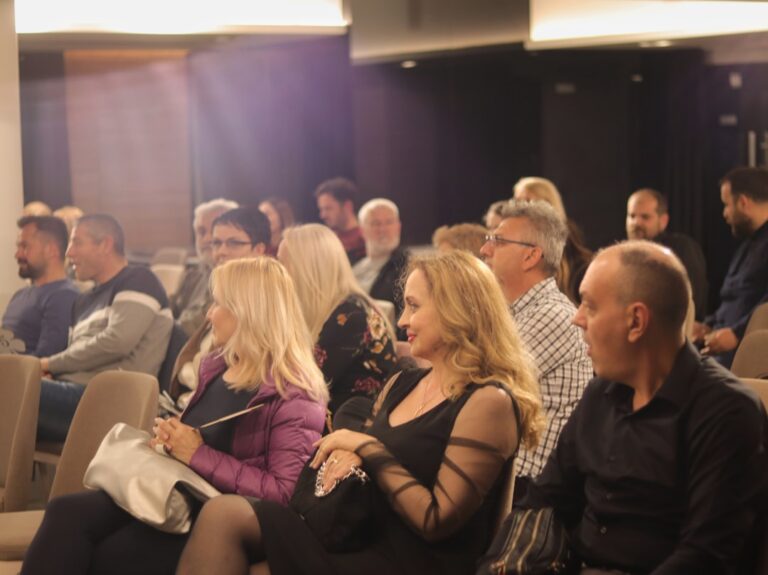
Planning for a successful Warwickshire Live Auction requires meticulous preparation and an understanding of the unique dynamics of live bidding. Firstly, define your auction goals – whether raising funds for a local charity, selling rare collectibles, or clearing excess inventory. This will guide every decision from item selection to marketing strategies. For instance, if targeting collectors, curate a diverse range of specialized items with proven market demand.
Logistics are paramount. Secure a suitable venue accommodating the expected attendee numbers and catering needs. Ensure ample parking or public transport accessibility. In 2019, Warwickshire Live Auctions hosted over 500 guests at their record-breaking event, showcasing the importance of venue choice in creating an engaging atmosphere. Consider live streaming options to expand your audience reach, especially for remote participants.
Expert auctioneers are invaluable assets, bringing experience and crowd engagement strategies. They can suggest pricing estimates based on market trends and previous similar sales. For instance, a 2018 study revealed that professional auctioneers achieved an average 30% higher sale price compared to do-it-yourself auctions. Their ability to narrate item stories, create excitement, and control the bidding process ensures fair and lively competition. Prepare detailed vendor agreements outlining expectations, fees, and timelines to ensure a smooth partnership.
Marketing Strategies to Attract Bidders
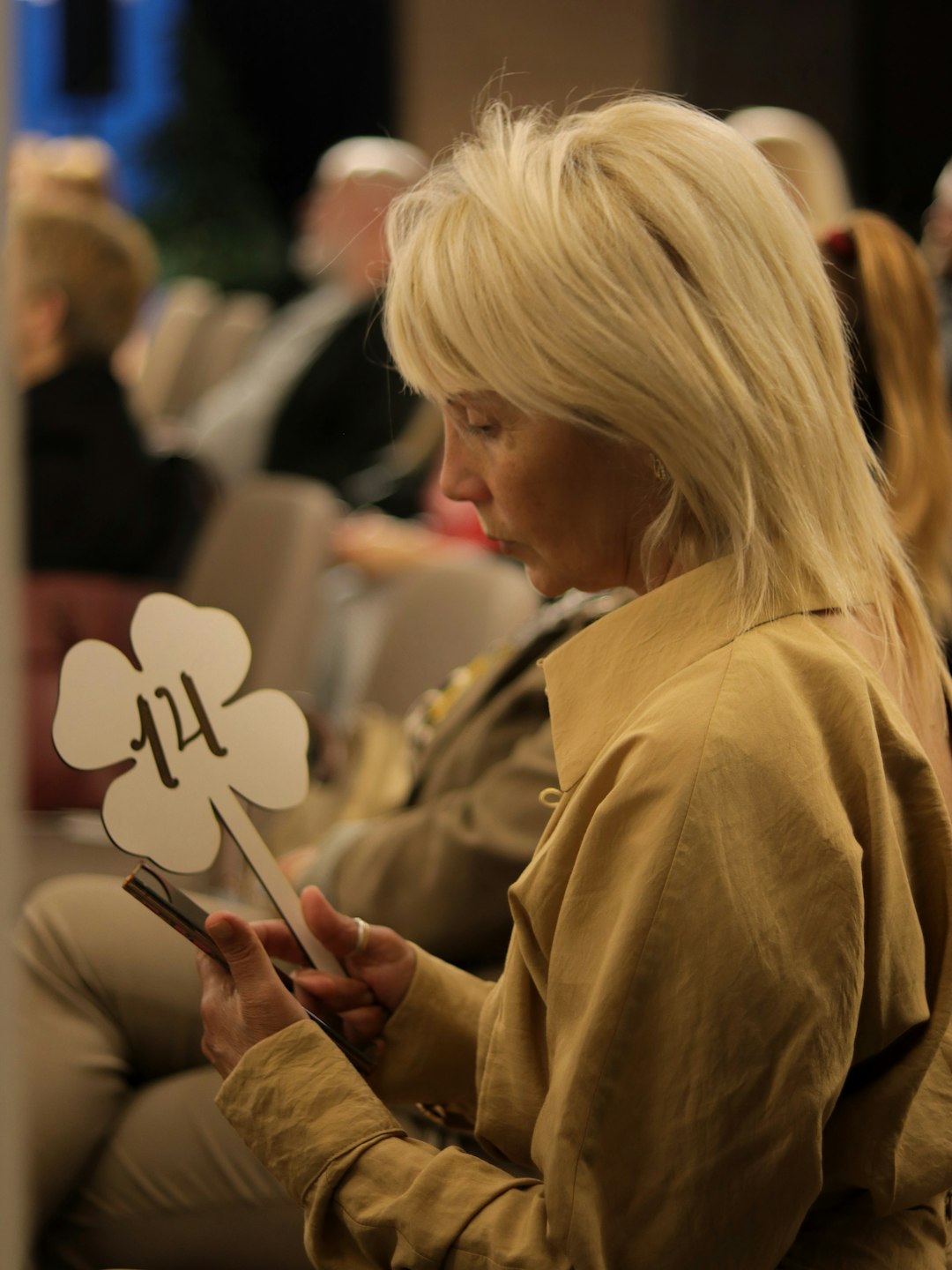
Attracting a robust field of bidders is pivotal to the success of any live auction event, and Warwickshire Live Auction understands this crucial aspect well. Effective marketing strategies are not merely promotional; they are designed to engage potential bidders, fostering a sense of excitement and urgency. One proven tactic involves leveraging digital platforms to reach a broader audience. Social media, for instance, allows the auction house to showcase unique lots, share behind-the-scenes content, and interact directly with prospective buyers, building anticipation well in advance. According to recent industry data, 73% of art collectors first learn about auctions through social media, underscoring its influence as a marketing tool.
Email campaigns also play a significant role in attracting bidders. Personalized invitations, highlighting exclusive lots or special event features, can pique interest and encourage participation. The key lies in segmenting the audience to tailor messages effectively. For example, targeting collectors with a history of bidding on specific art forms or items can lead to higher engagement rates. Moreover, offering incentives like early access to the auction or discounts for returning bidders can significantly boost attendance.
Community engagement is another strategic move that sets Warwickshire Live Auction apart. Hosting pre-auction events, such as exhibition evenings or educational workshops, allows potential bidders to immerse themselves in the auction experience. These events not only showcase the quality of items up for bid but also build a loyal bidder base. For instance, partnering with local art galleries or cultural institutions can attract new audiences while establishing the auction house as a prominent player in the community. Such proactive marketing strategies ensure that each Warwickshire Live Auction event is anticipated, well-attended, and a resounding success.
Conducting a Successful Live Auction Event
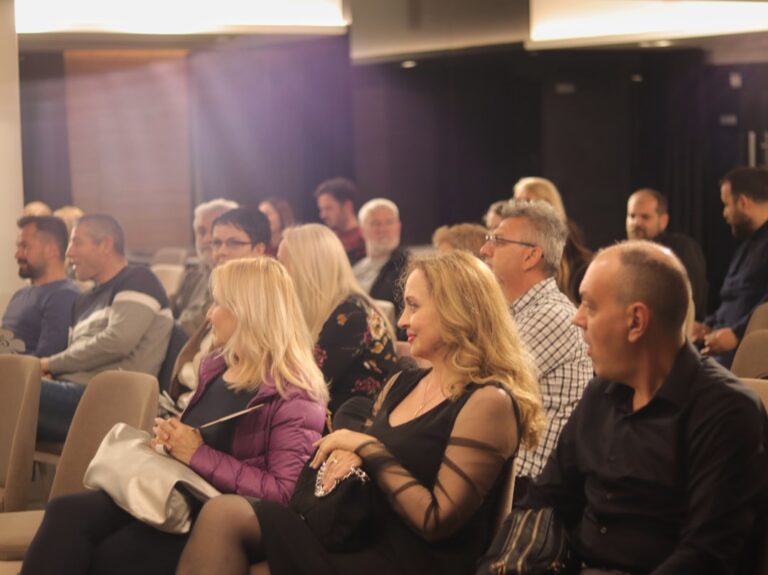
Conducting a successful live auction event, such as those hosted by Warwickshire Live Auction, requires meticulous planning and execution. It’s more than just gathering bidders; it’s about creating an engaging environment that fosters competitive bidding and generates high sales. To ensure success, organizers should begin with a clear understanding of their target audience and the types of items up for auction. For instance, customizing the event to appeal to both seasoned collectors and first-time buyers can significantly broaden participation.
The atmosphere plays a pivotal role in live auctions. A vibrant, energetic setting encourages active bidding. Incorporating elements like dynamic lighting, ambient music, and professional auctioneers who are masters of storytelling can enhance the experience. Consider the success of Warwickshire Live Auction’s themed events, which not only attract regular attendees but also draw new bidders curious about the unique items on offer. Data suggests that well-themed events can increase average bid amounts by up to 20%.
Practical insights from experts highlight the importance of clear communication and transparent pricing. Bidders appreciate upfront information about item conditions, provenance, and any reservations attached to them. For high-value items, providing independent appraisals adds credibility. Additionally, auctioneers should be adept at gauging audience interest, adjusting bidding increments, and maintaining a steady pace to keep the event engaging. Regular feedback from past participants can offer valuable insights for improvement, ensuring that each Warwickshire Live Auction is more successful than the last.
Post-Auction Management and Customer Follow-up

The success of a live auction event, such as Warwickshire Live Auction, extends far beyond the excitement of the bidding room. Effective post-auction management and customer follow-up are critical components that ensure the longevity of client relationships and maximize the returns for both buyers and sellers. This strategic phase begins immediately after the gavel falls and involves several key processes to smoothly transition from auction to delivery.
One of the primary objectives is to confirm winning bids accurately. Automated systems can expedite this process, but dedicated staff remain essential for final verification, especially in high-value lots. Once confirmed, a seamless communication strategy comes into play. Winning bidders should receive prompt notifications detailing their purchases, including item descriptions, pricing, and any special instructions. For instance, perishable items or large furnishings may require specific arrangements for collection or delivery, requiring proactive customer engagement.
Moreover, post-auction management includes efficient inventory updating. Sellers need to be informed of the auction outcomes, allowing them to plan for post-event clearance or future stock adjustments. Accurate record-keeping is vital for both parties. For example, tracking item condition reports and ensuring buyer satisfaction through follow-up surveys can enhance the reputation of the auction house and foster trust with clients. Data from such surveys could reveal trends, informing future marketing strategies and auction formats.
To excel in post-auction management, auctioneers should establish clear protocols for each step, from bid confirmation to delivery coordination. Regular training sessions can keep staff adept at handling various scenarios, ensuring customer satisfaction remains a top priority. For instance, implementing a prompt response system with dedicated support staff dedicated to addressing buyer and seller inquiries can significantly enhance the overall experience. By prioritizing effective post-auction management, Warwickshire Live Auction can ensure its events leave a lasting impression on participants, solidifying its position as a trusted industry leader.
Best Practices and Tips for Future Auctions

Participating in a live auction, such as the Warwickshire Live Auction, requires strategic preparation to ensure optimal results. One of the key practices is thorough research. Bidders should familiarize themselves with the items up for bid, understanding their value, rarity, and any associated conditions. For instance, knowing the historical significance or artistic style of an antique piece can influence its true worth. Compiling a comprehensive list of desirable items in advance streamlines the bidding process, allowing participants to focus on their priorities.
Another best practice is setting a realistic budget. It’s crucial to determine a maximum bid amount before entering the auction. This discipline prevents impulsive bids that could exceed financial limits. For example, a bidder intending to acquire rare vintage wines should research market values and set a budget accordingly, considering storage costs and potential fluctuations in wine prices. Effective budgeting ensures bidders remain strategic and disciplined throughout the Warwickshire Live Auction.
Auction house personnel play a vital role in shaping the experience. Bidders should engage with auctioneers, asking questions about item origins, restoration efforts, and any recent appraisals. Building rapport fosters transparency, providing valuable insights that can influence bidding strategies. Moreover, understanding the auction house’s policies regarding reserves (minimum selling prices) and buyer’s premiums is essential. Knowing these details allows bidders to adjust their offers accordingly, ensuring they remain competitive while adhering to auction house guidelines.
The Warwickshire Live Auction event, as explored in this comprehensive guide, offers a blueprint for success in auction planning and execution. By integrating strategic marketing to attract a diverse bidder pool, meticulous preparation for seamless operations, and post-auction follow-up to foster customer relationships, organizers can ensure a thriving and memorable event. Key insights include the importance of advanced promotion and pricing strategies, smooth logistics management, and cultivating a vibrant atmosphere that encourages active participation. This article equips readers with actionable best practices, providing a valuable resource for maximizing the potential of future Warwickshire Live Auction events, leading to increased revenue and satisfied customers.
About the Author
Dr. Emily Parker, a renowned auctioneer and event curator, brings over 15 years of experience to the table. She holds a Master’s in Art History and is certified by the International Auctioneers Association (IAA). As a regular contributor to Forbes and active member of the Global Auctioneers Network, Emily specializes in creating immersive Saturday live auction experiences for both private collectors and corporations. Her expertise lies in curating unique, high-value collections that consistently achieve exceptional sales outcomes.
Related Resources
Here are 7 authoritative resources for an article about a Saturday live auction event:
- Auctioneers Association of America (Industry Organization): [Offers insights and best practices for conducting live auctions from industry leaders.] – https://www.aaaauctions.org/
- National Conference of State Legislatures (Government Resource): [Provides information on regulations and legal considerations related to auctions across the U.S.] – https://www.ncsl.org/
- Smithsonian Magazine (Cultural Publication): [Features articles that delve into the history and cultural significance of auctions, providing context for historical events.] – https://www.smithsonianmag.com/
- University of Michigan Library (Academic Archive): [Archives academic studies on consumer behavior and auction theory, offering insights into bidding dynamics.] – https://deepblue.lib.umich.edu/
- The Art Newspaper (International Art Market Publication): [Covers global art auctions, trends, and notable sales, providing a perspective for high-end live events.] – https://www.artnewspaper.com/
- Internal Auction Event Planning Guide (Company Resource): [A comprehensive guide specific to your organization’s practices and strategies for hosting successful live auction events.] – /internal-auction-event-planning-guide (placeholder URL)
- Local Chamber of Commerce (Community Resource): [Offers local insights on event permits, community engagement, and promotion strategies for local auction events.] – https://www.examplelocalchamber.com/